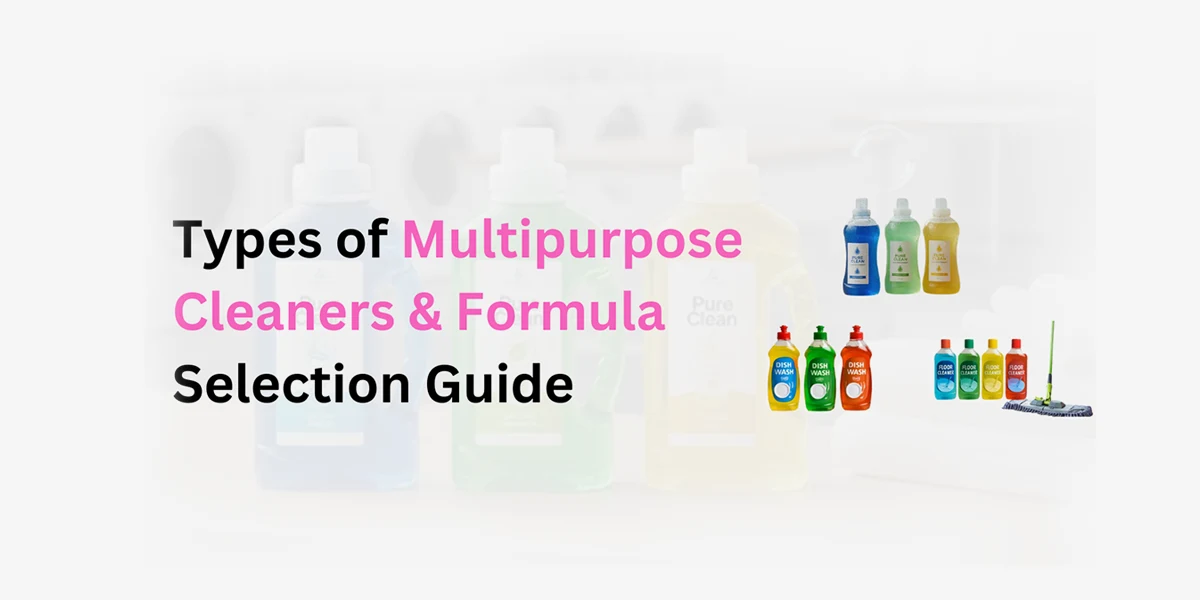
Multipurpose cleaners have become everyday essentials across hospitality, retail, industrial, and housekeeping spaces. Each sector expects different levels of performance, safety, and convenience, making the choice of formula more important than it appears. The right cleaner not only improves day-to-day efficiency but also supports better customer experiences and builds steady, long-term trust in the brand.
Selecting a well-engineered formula also strengthens your product or private-label brand identity, especially if you manage hotel chains, retail brands, or work with a contract manufacturer. It becomes a strategic decision that impacts cost efficiency, safety, and overall market perception.
How Formula Differences Impact Your Product’s Performance
Each formula behaves differently based on its surfactants, solvents, pH, and active ingredients. These variations impact cleaning strength, drying speed, residue levels, and compatibility with sensitive surfaces. Water-based formulas are gentle and versatile, while solvent-based blends deliver stronger degreasing power. Disinfectant variants provide microbial control, and eco-friendly options support sustainable product choices.
Understanding these formula profiles ensures accurate product positioning across categories such as kitchen surface cleaners, bathroom tile cleaner liquids, and window glass cleaner liquids. This leads to improved brand reliability, better regulatory alignment, and higher acceptance in competitive markets.
Different Types of Multipurpose Cleaners
1. Water-based multipurpose cleaners
Water-based cleaners offer gentle yet effective cleaning for everyday use. They work well on most surfaces, including counters, tiles, and glass, without leaving streaks or buildup. These formulas are a practical choice for retail brands and housekeeping teams seeking a safe, versatile solution for routine cleaning.
2. Solvent-based multipurpose cleaners
Solvent-based formulas provide superior oil and grease removal, making them ideal for kitchens and industrial environments. They are commonly used where heavy-duty degreasing is required, effectively replacing harsh chemicals without compromising performance.
3. Disinfectant multipurpose cleaners
Disinfectant cleaners combine cleaning power with germ-killing properties. They are widely used in hotels, hospitals, gyms, and public facilities. These formulas must meet relevant microbial efficacy standards and are preferred by clients seeking focus on hygiene solutions.
4. Eco-friendly/green multipurpose cleaners
Eco-friendly formulations avoid harsh solvents, phosphates, and toxic chemicals. They use plant-based surfactants and biodegradable ingredients. Businesses serving environmentally conscious customers or targeting export markets often opt for these variants to stay aligned with broader sustainability expectations.
5. Industrial-grade multipurpose cleaners
Industrial-grade formulations are stronger, faster-acting, and engineered for factories, warehouses, and high-traffic areas. During multipurpose cleaner manufacture, these formulations are designed to remove heavy grime, oil deposits, and industrial residues.
6. Foam-based/spray-based wipes and concentrates
Foam-based formulas cling to surfaces for deeper cleaning, while spray-based cleaners offer quick application. Concentrates are cost-effective for B2B buyers who need bulk solutions. Wipes provide convenience for the hospitality and retail sectors.
Key Ingredients That Influence Performance
The performance of a multipurpose cleaner amounts to how well its ingredients are chosen and balanced. Every component plays a role in ensuring effective cleaning, safe use, and a dependable overall experience. Key ingredients include:
- Surfactants: The primary cleaning agents that lift dirt, grease, and stains. Non-ionic surfactants provide gentle cleaning for delicate surfaces, while anionic surfactants offer stronger grease and oil removal for kitchen or industrial purposes.
- Solvents: Help dissolve oils, fats, and stubborn grime. Common solvents, such as glycol ethers, enhance degreasing performance, making them essential for kitchen surface cleaners or heavy-duty industrial applications.
- Chelating Agents: Bind to mineral deposits and hard water elements to prevent residue and streaking, ensuring consistent cleaning performance on tiles, glass, and bathroom surfaces.
- Thickeners and Viscosity Agents: Improve product texture and stability, ensuring liquid cleaners cling to vertical surfaces or foam properly during application, which enhances usability and effectiveness.
- Preservatives: Protect formulas from microbial growth and extend shelf life, particularly important for bulk manufacturing and long-term storage.
- Fragrances and Colourants: Enhance user experience and brand perception. A pleasant scent or visually appealing formula increases perceived quality, especially for private-label products or consumer-facing applications.
- pH Adjusters: Ensure the formula is balanced for safe use across surfaces while maintaining cleaning performance. Alkaline formulas are ideal for degreasing, while neutral formulas are safer for delicate surfaces.
How to Choose the Right Formula Based on Your Target Market
1. Hotels & hospitality
Hotels and hospitality businesses require safe and effective multipurpose cleaners that maintain hygiene across guest rooms, lobbies, and common areas. Using high-quality cleaners alongside hotel toiletries and amenities enhances the guest experience, reinforcing luxury, comfort, and brand reputation.
2. Retail brands
Retail brands focus on multipurpose cleaners that combine effective cleaning with attractive packaging and mild, safe formulas. Consumer-friendly fragrances enhance the user experience and foster brand loyalty. Eco-friendly, water-based formulations are especially preferred for mass-market appeal and sustainable positioning.
3. Housekeeping service providers
Housekeeping service providers prioritise cleaners who deliver consistent performance across all surfaces. Cost-effective formulas and bulk packaging help reduce operational expenses and streamline inventory management. Concentrates and industrial-grade multipurpose cleaners ensure efficiency while maintaining high hygiene standards in every facility.
4. Export markets
Export buyers require multipurpose cleaners that comply with international safety and quality regulations. The formulations must align with global standards while delivering steady, reliable performance. Eco-friendly and versatile options are often favoured, as they cater well to a wide range of market needs.
5. Industrial clients
Factories and workshops require heavy-duty multipurpose cleaners that effectively remove grease, oil, and tough stains. Solvent-based and industrial-grade formulas provide the strength needed for demanding environments. Choosing the right formula ensures consistent performance and operational efficiency.
6. B2B private label brands
Private-label buyers benefit from tailored fragrances, packaging, and formulations. Custom variants of kitchen surface cleaners, window glass cleaning liquids, or toilet cleaners at manufacturer-grade quality help brands build differentiated product portfolios.
Safety & Compliance Standards You Must Consider
1. BIS guidelines (India)
- BIS certification guarantees that multipurpose cleaners meet strict quality and safety standards.
- It ensures consistency in formulation, including surfactant levels and pH balance.
- Proper labelling and compliance with BIS norms are mandatory for market approval.
2. International regulations
- Export-ready multipurpose cleaners must comply with international regulations such as REACH (EU), EPA (USA), and GSO standards (GCC).
- These regulations define ingredient restrictions and permissible microbial claims, while also ensuring environmental safety and product reliability for global markets.
3. Labelling and mandatory safety instructions
- Labels should clearly display usage directions, hazard warnings, and batch information.
- They must also include proper storage instructions.
- Accurate labelling ensures product safety and helps minimise customer complaints.
Packaging Options for Different Markets
1. Trigger sprays
Trigger sprays are perfect for household and hospitality use. They provide precision and make cleaning effortless. Ideal for glass cleaners, surface cleaners, and multi-surface applications.
2. Refill pouches
Refill pouches are a cost-efficient and sustainable packaging option. They help retail brands and housekeeping providers reduce plastic waste and are ideal for businesses looking to lower packaging costs while supporting eco-friendly practices.
3. Bulk cans (5L, 10L, 20L)
Industrial clients and housekeeping services often require large-volume solutions for greater efficiency. These bulk containers ensure a steady supply while minimising packaging waste. They also help reduce shipping and storage costs, making operations more cost-effective.
4. Private label customisation options
Private labelling can help you provide custom bottle shapes, labels, fragrances, and colours to differentiate your brand. Custom colours and packaging allow your products to stand out in the market. These options ensure your products reflect your brand identity and meet client expectations.
How a Contract Manufacturer Supports Your Product Selection
1. R&D testing
Our research and development teams test multiple formulas to achieve the required cleaning performance, stability, and safety.
2. Custom formulation
Manufacturers create specialised multipurpose cleaner formulas to suit different market needs, including high-strength industrial degreasers and gentle household cleaning solutions. Custom formulations ensure optimal performance and customer satisfaction.
3. Stability testing
Stability testing verifies that the cleaner maintains its effectiveness over time. It ensures that formulas remain safe, consistent, and reliable under varying temperatures and storage conditions, thereby guaranteeing product quality for end-users throughout their shelf life.
4. Packaging design support
Contract manufacturers guide you in creating effective packaging solutions. They assist in selecting the right bottles, labels, and materials, ensuring your products are both attractive and functional for your target market.
5. Batch consistency
Consistent production quality supports long-term brand trust and reduces customer complaints.
Conclusion:
Choosing the ideal multipurpose cleaner depends on your target market, desired performance, compliance standards, and brand positioning. Each formula, from eco-friendly solutions to industrial-strength cleaners, offers distinct advantages to meet diverse business needs. Understanding ingredients, packaging options, and regulatory requirements ensures smarter decisions and better product outcomes.
Looking to create a private-label or bulk multipurpose cleaner range? Clarion Cosmetics can support you end-to-end with tailored formulations, customisable packaging, and reliable manufacturing expertise.
FAQs:
1. What factors should I consider when choosing a multipurpose cleaner formula?
You should consider the target market, cleaning performance, surface compatibility, safety standards, regulatory compliance, and packaging preferences. Formula type influences efficiency, cost, and brand positioning.
2. Why is working with a contract manufacturer important for multipurpose cleaners?
A contract manufacturer provides R&D support, custom formulation, stability testing, packaging guidance, and batch consistency. This ensures high-quality products tailored to market needs.
3. Are disinfectant multipurpose cleaners suitable for hospitality sectors?
Yes. Disinfectant cleaners offer essential germ control and hygiene protection, making them vital for hotels, hospitals, and busy public spaces. They remain the preferred choice for clients who prioritise guest safety and a consistently clean environment.
4. How can multipurpose cleaners support brand reputation in client-facing businesses?
High-quality, eco-friendly, or private-label cleaners reflect a commitment to hygiene and care. Businesses such as hotels, retail chains, and housekeeping providers can differentiate themselves by offering superior cleaning solutions.
5. What is the ideal shelf life for multipurpose cleaners?
Most liquid cleaners last 12–36 months, depending on preservatives, packaging, and storage conditions. Proper labelling and batch testing help monitor product longevity.